
01
Bacterial upstream invasion
Flagellated bacteria swim against ambient flow and invade microstructured devices through hydrodynamic boundary interactions. We resolve the geometry-dependent transport that funnels swimmers into confined channels.
Themes
The physics of living, swimming matter — how cells navigate flow, geometry, and chemistry, and how we engineer environments to study them.
Flagellated bacteria swim against ambient flow and invade microstructured devices through hydrodynamic boundary interactions. We resolve the geometry-dependent transport that funnels swimmers into confined channels.
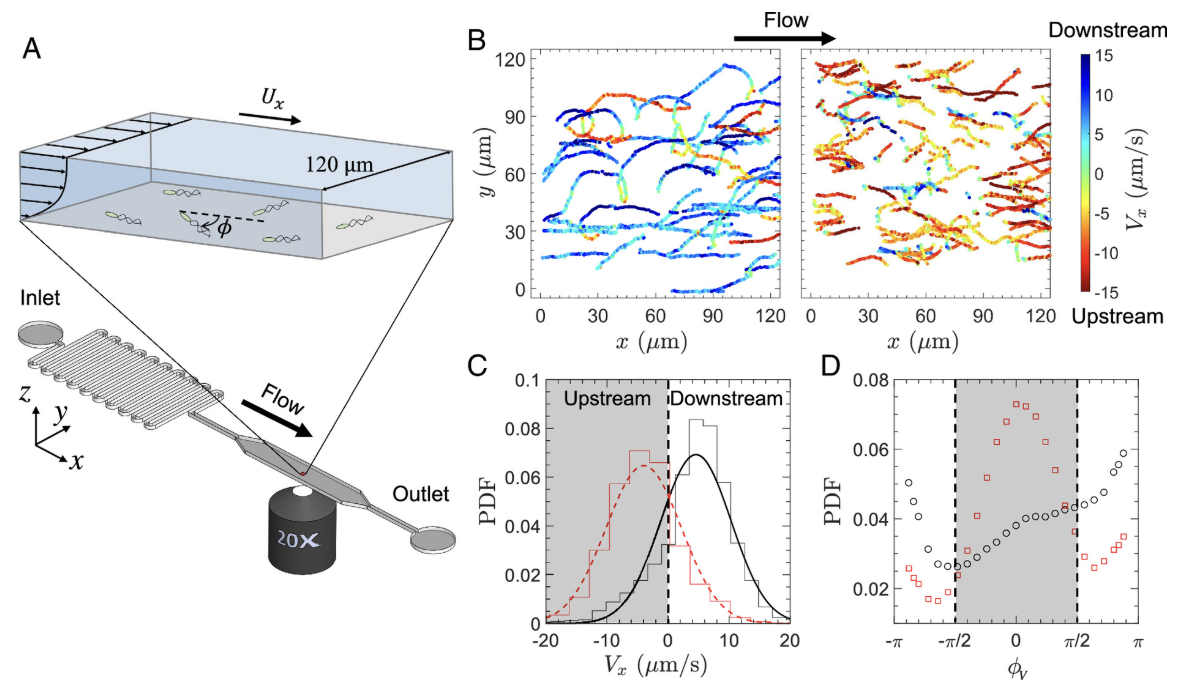
Polymeric, viscoelastic, and macromolecular fluids dramatically enhance bacterial upstream swimming. We disentangle the rheological and hydrodynamic contributions to collective rheotactic behavior.
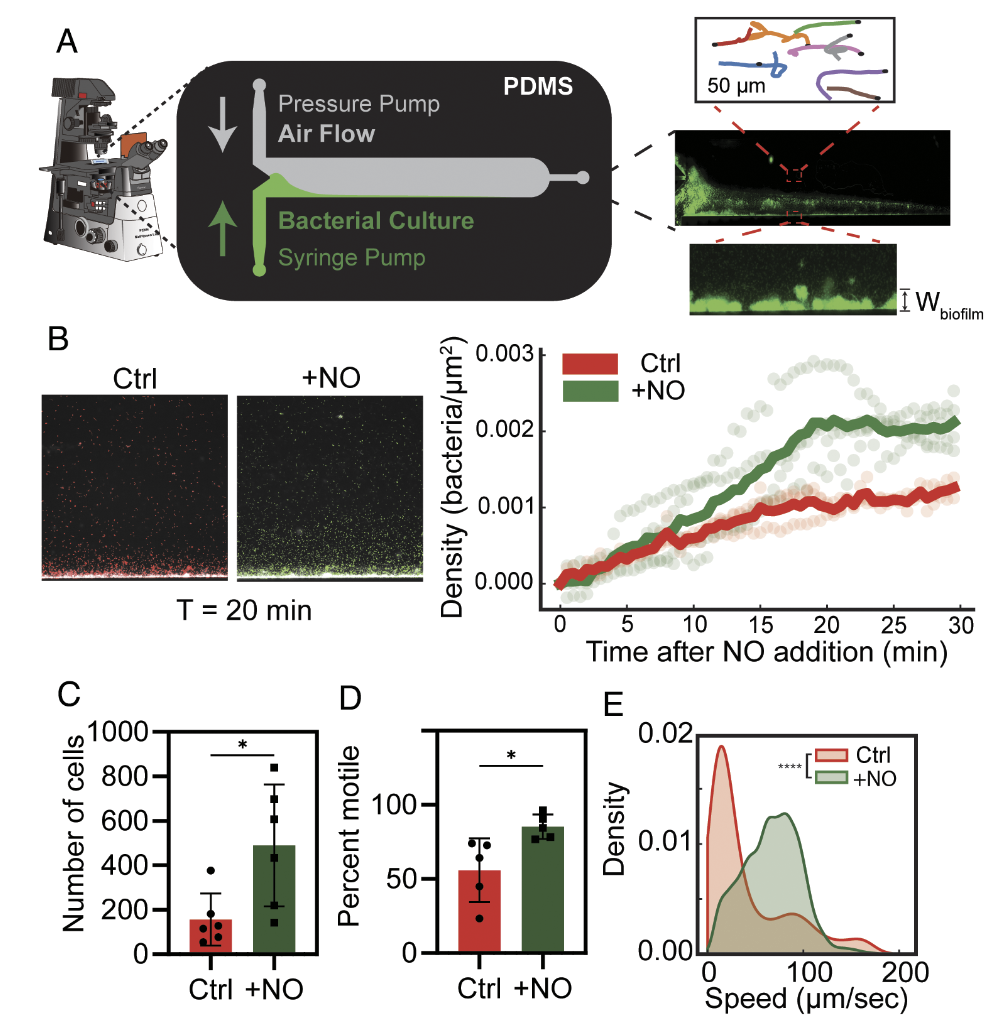
NO rapidly switches V. cholerae from sessile biofilm to a hyper-motile state, accelerating dispersal — quantified with microfluidic flow assays and high-speed tracking.
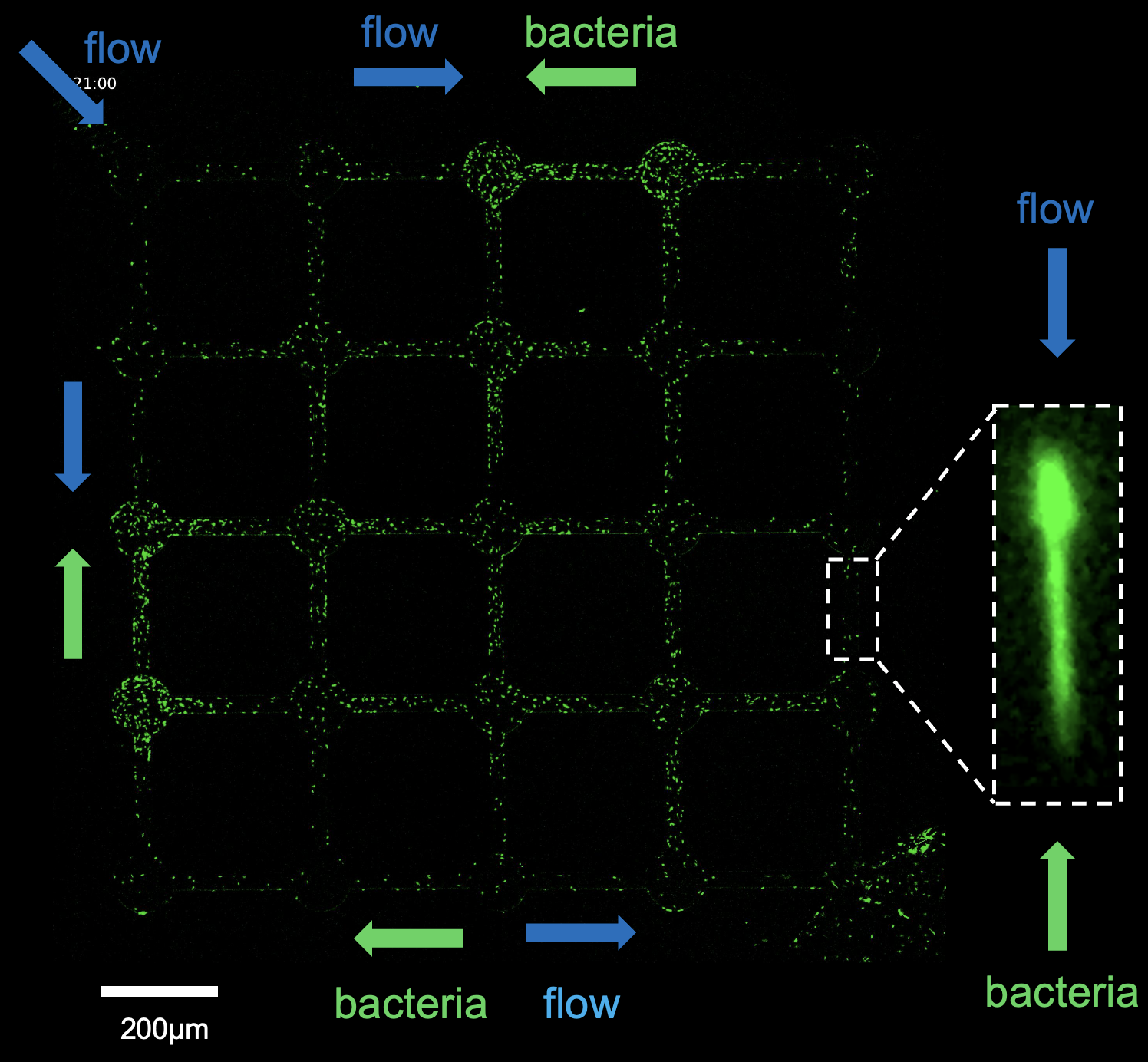
Periodic microfluidic lattices act as topological filters for bacterial active matter, separating swimmers by trajectory winding and persistence length.
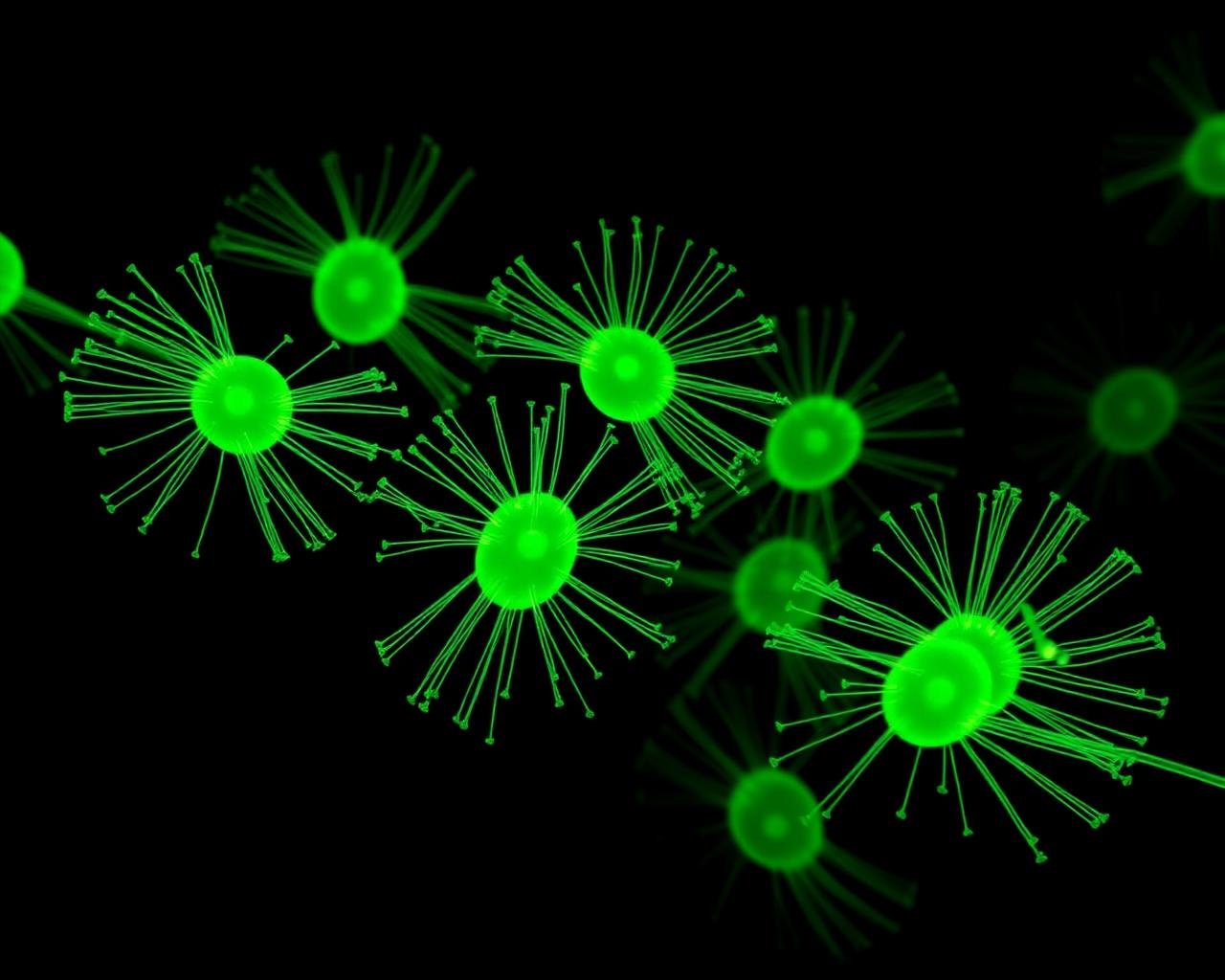
Cell shape and flagellar number jointly govern upstream invasion success. We map a morphology phase diagram for bacterial transport in flow.
Microfluidic AMR phenotyping for urinary tract infections — fast, single-cell readouts of resistance in clinically relevant strains.