 Published
Integrative and Comparative Biology2026Last Corresponding Author
Selective trapping of bacteria in porous media by cell length
66, icag018 (2026)
Biophysics · Active Matter · Microfluidics · Microbiology
I study how living matter moves through complex environments — from bacteria swimming upstream and biofilms dispersing, to microorganisms sorting by shape and length. My work spans active matter, microfluidics, and microbiology.
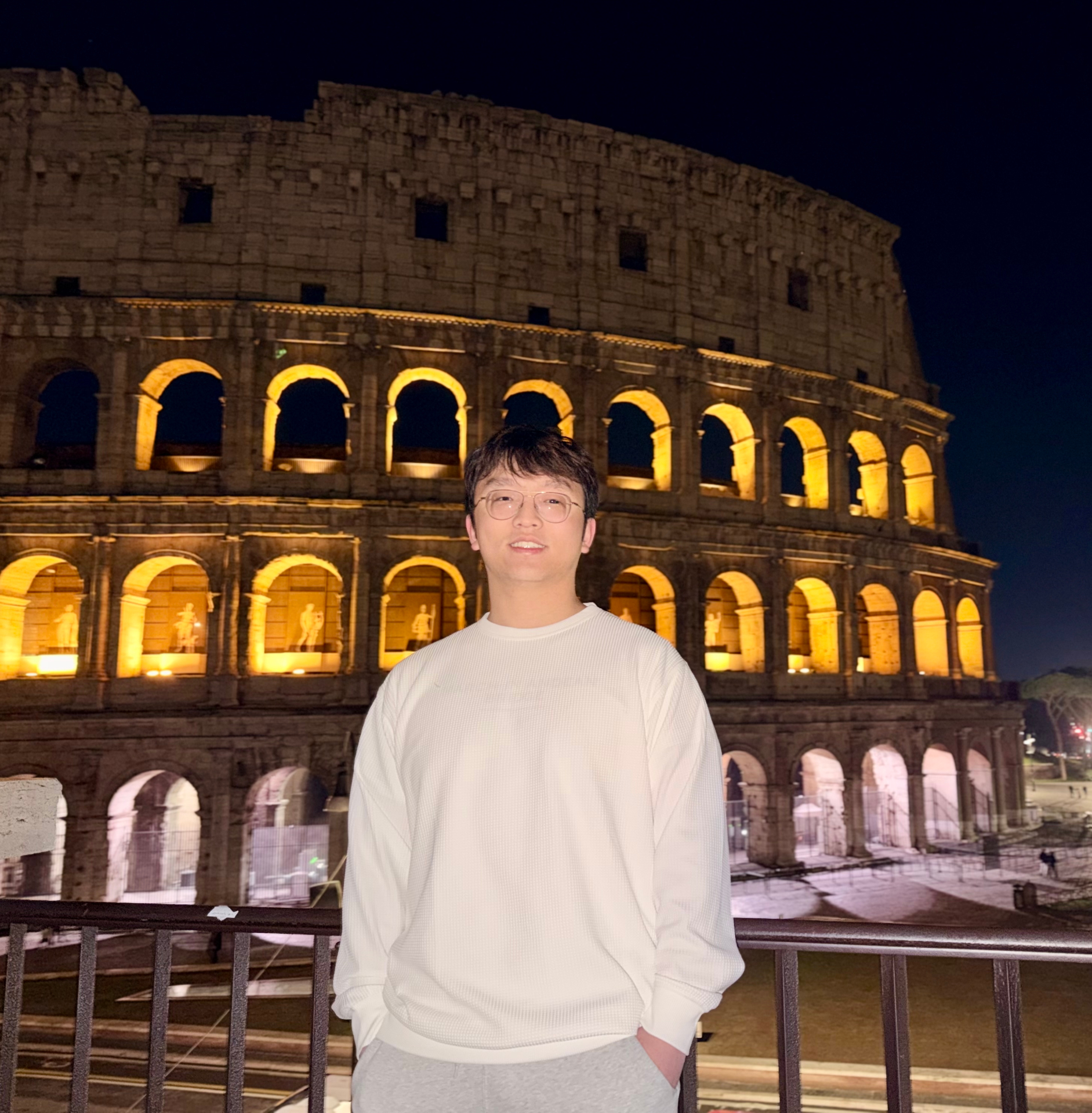
Ph.D. Candidate, Physics — University of Pennsylvania
M.A. Candidate, Statistics & Data Science — Wharton
B.S. Physics (Highest Honors) & B.S. Applied Math — Emory
Mathijssen Lab · Penn Biophysics
About
My research sits at the intersection of soft matter physics, microbial biology, and engineered microenvironments — building tools and theory to understand how cells navigate flow, geometry, and chemistry.
Collective motion of self-propelled cells in confined and complex environments.
Lab-on-chip devices to sort, trap, and observe single bacteria with precision.
From V. cholerae biofilm dispersal to AMR diagnostics — physics meets the clinic.
Themes
The physics of living, swimming matter — how cells navigate flow, geometry, and chemistry.

Flagellated bacteria swim against ambient flow and invade microstructured devices through hydrodynamic boundary interactions.
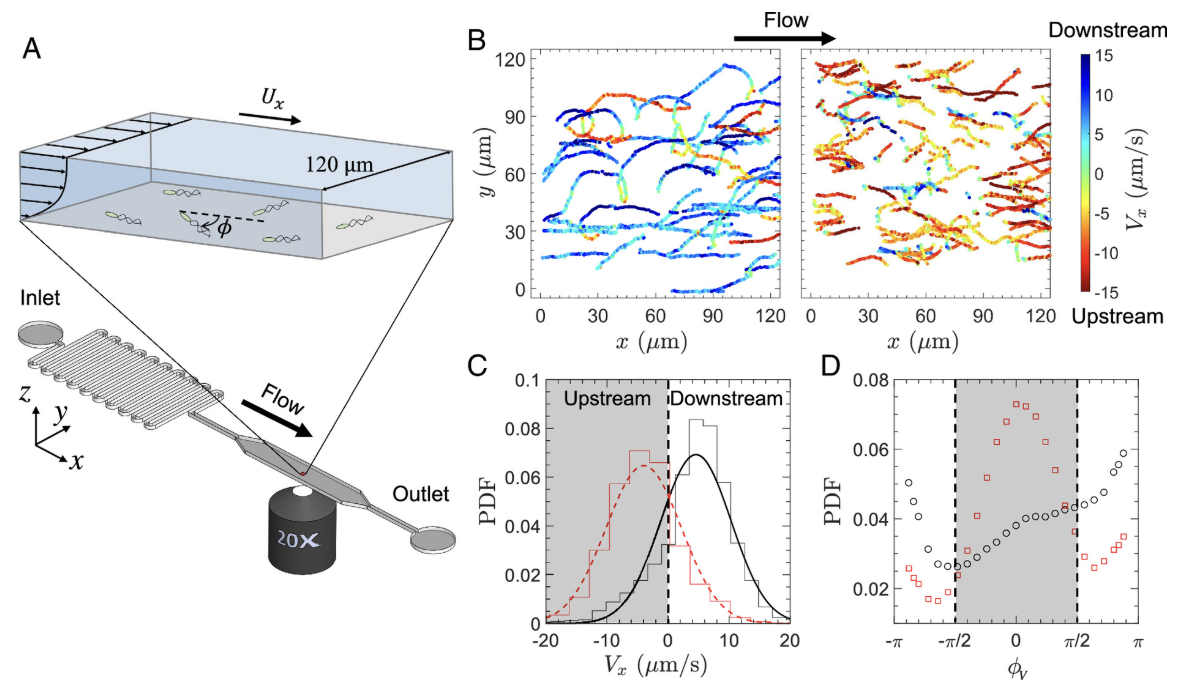
Polymeric and viscoelastic fluids dramatically enhance bacterial upstream swimming.
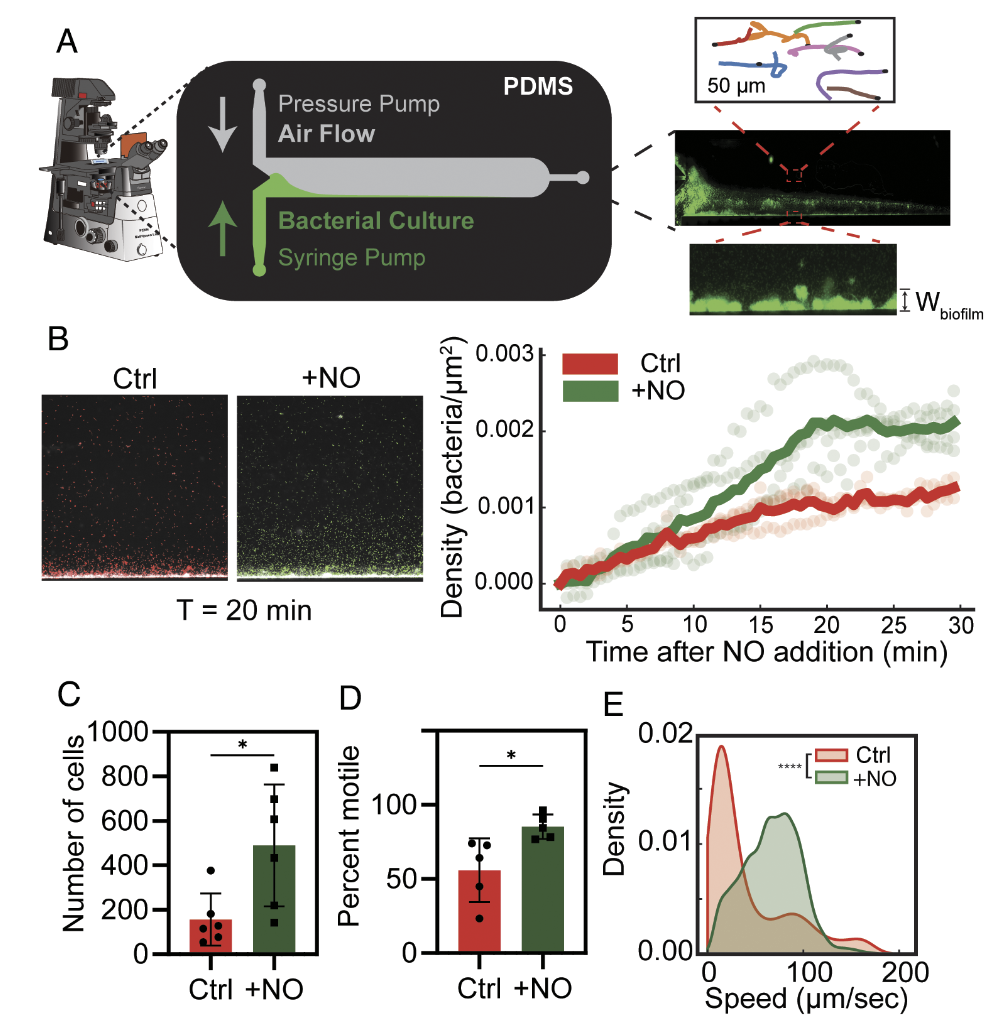
NO rapidly switches V. cholerae from sessile biofilm to a hyper-motile state, accelerating dispersal.
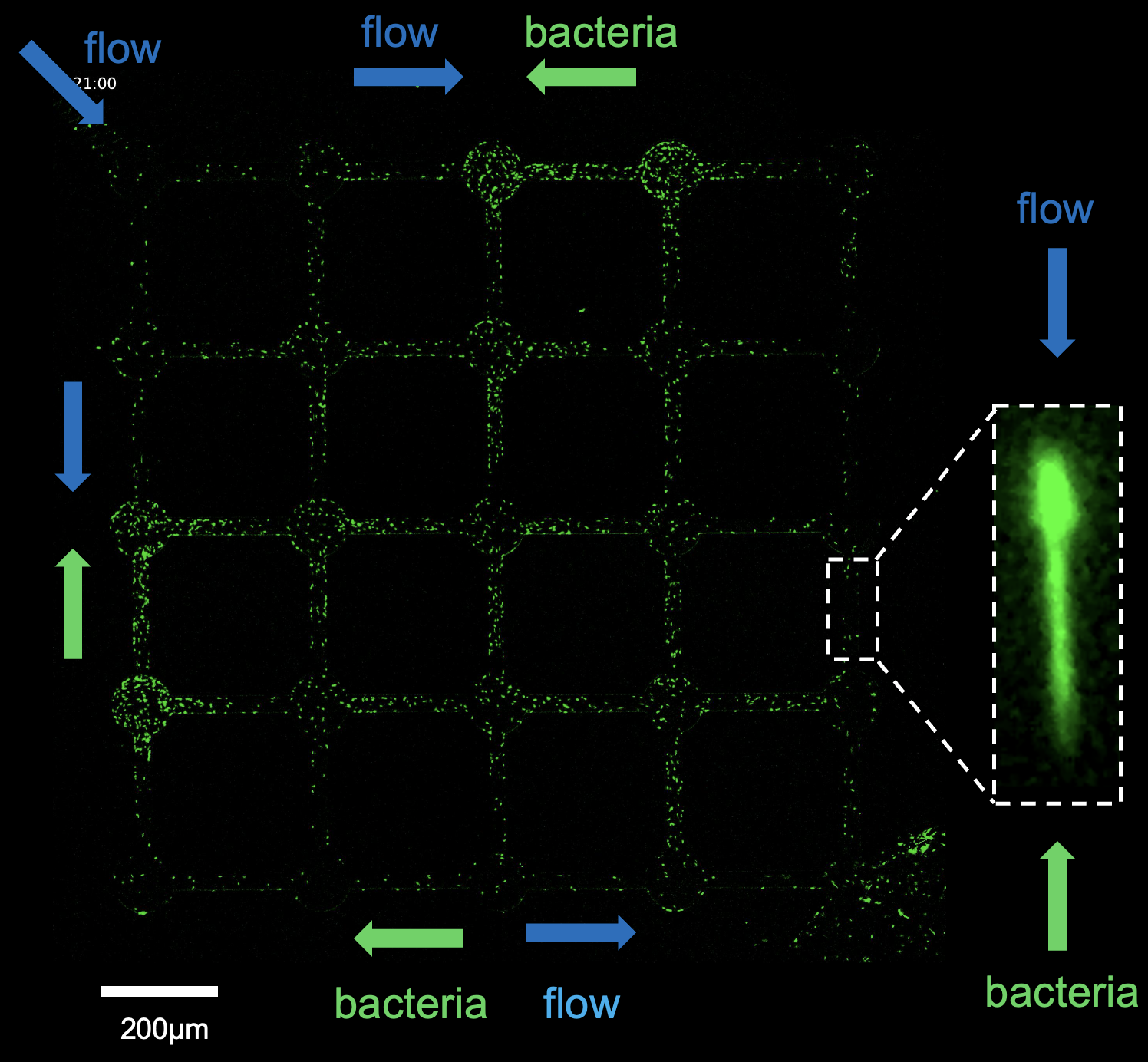
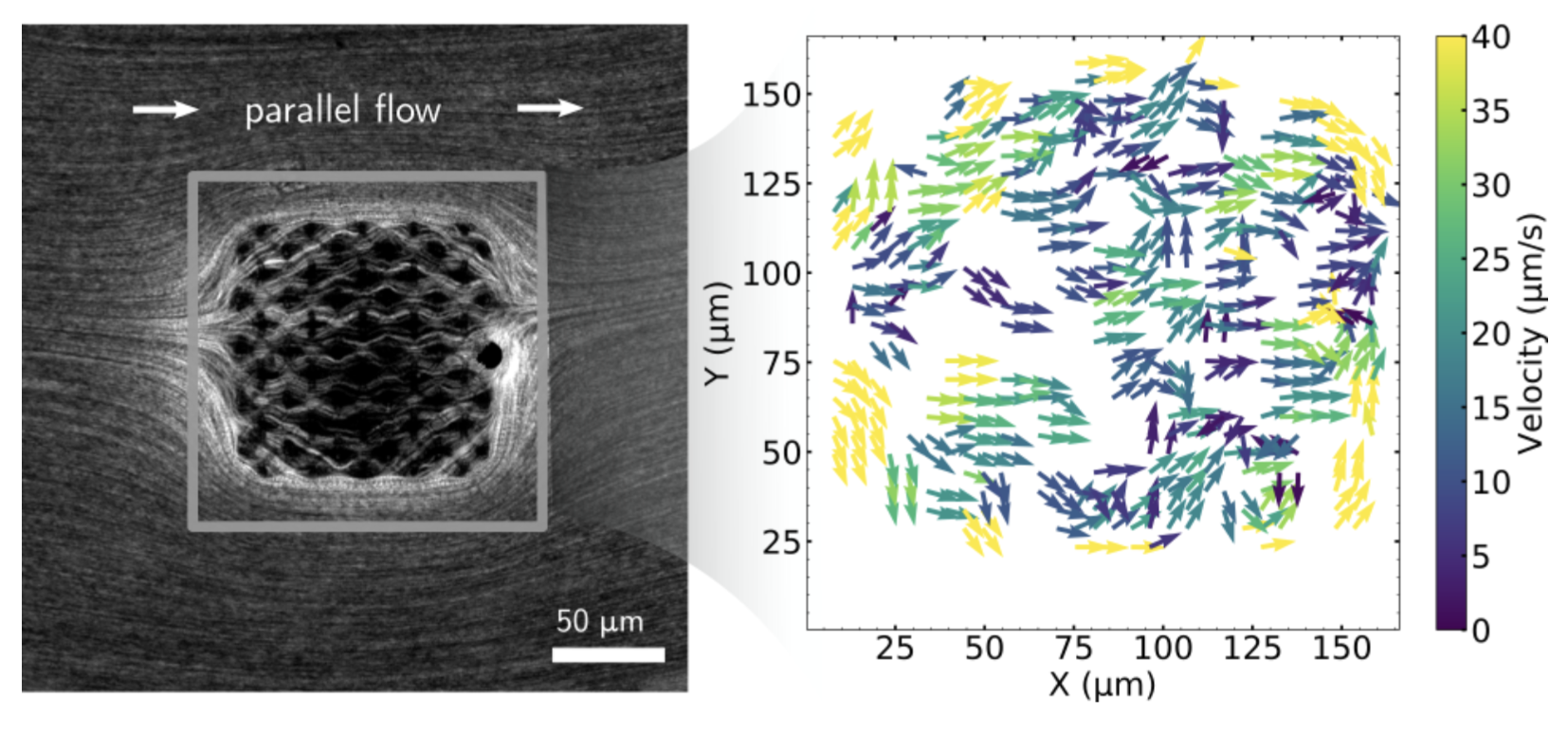
Periodic microfluidic lattices act as topological filters for bacterial active matter.
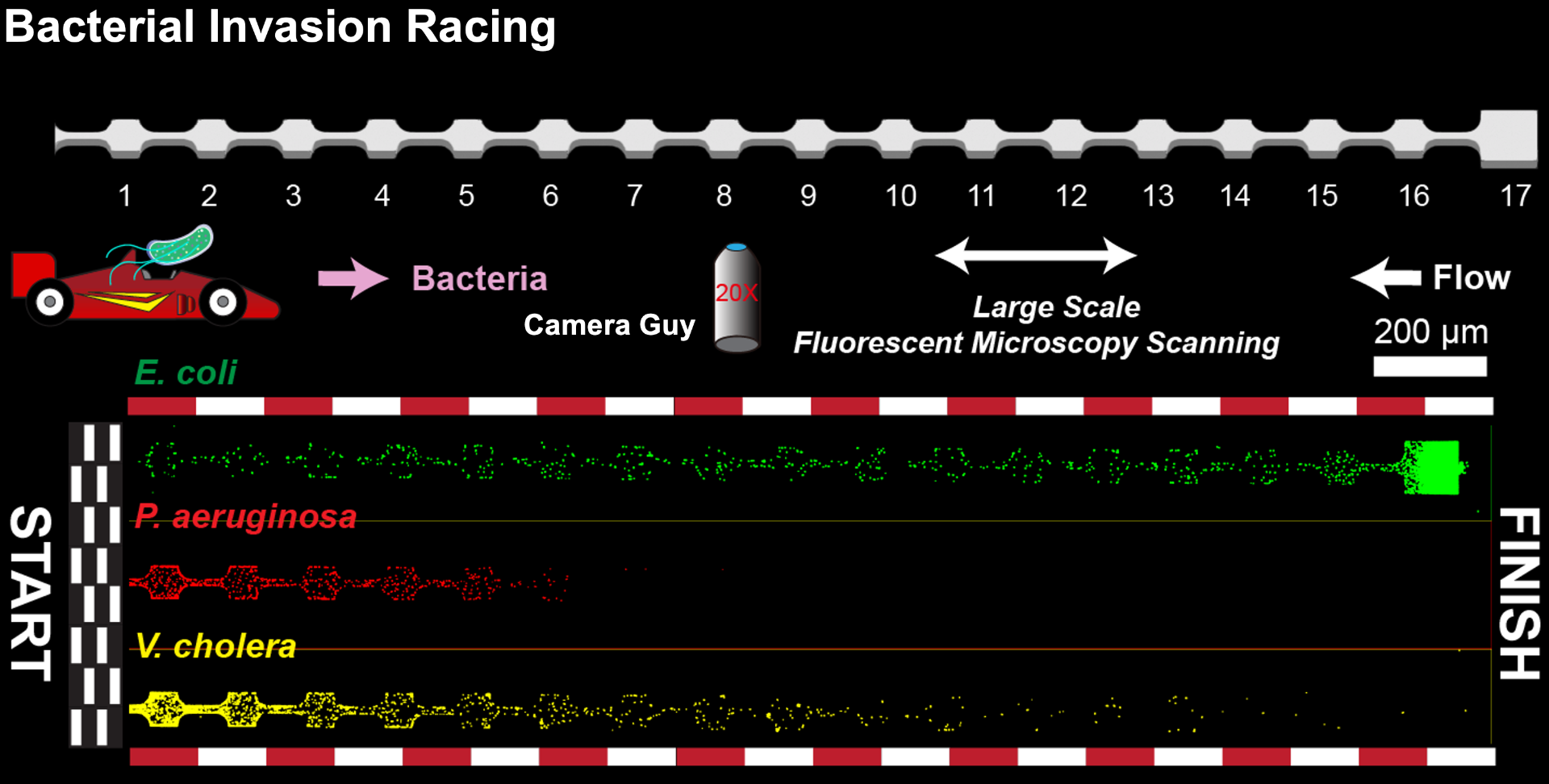
Cell shape and flagellar number jointly govern upstream invasion success.
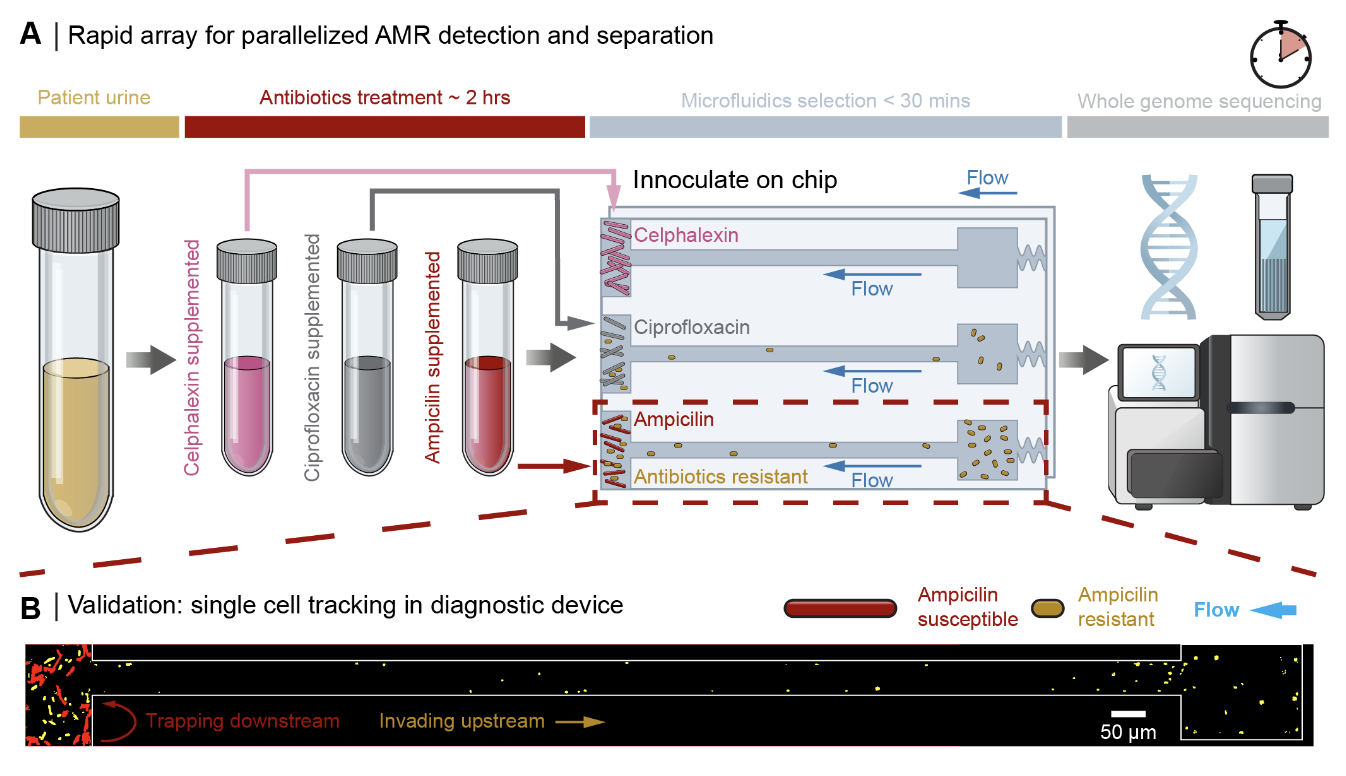
Microfluidic AMR phenotyping for urinary tract infections — fast single-cell readouts.
Selected publication
A spotlight on a recent publication that captures the lab's current direction.
Ran Tao, Albane Théry, Suya Que, A. J. T. M. Mathijssen
2, 100337 (2025) — Front Cover
We show how flagellated bacteria invade microstructured devices by swimming upstream, mapping the boundary-driven hydrodynamics that funnel them through complex geometries.
Archive
Research in microbial motility, active matter, microfluidics, complex fluids, and soft matter physics.
Published66, icag018 (2026)
Published2, 100337 (2025) — Front Cover
Published122(49): e2526864122 (2025)
 Published
125(1), 235–244 (2025)
Published121(50): e2417614121 (2024)
 Published
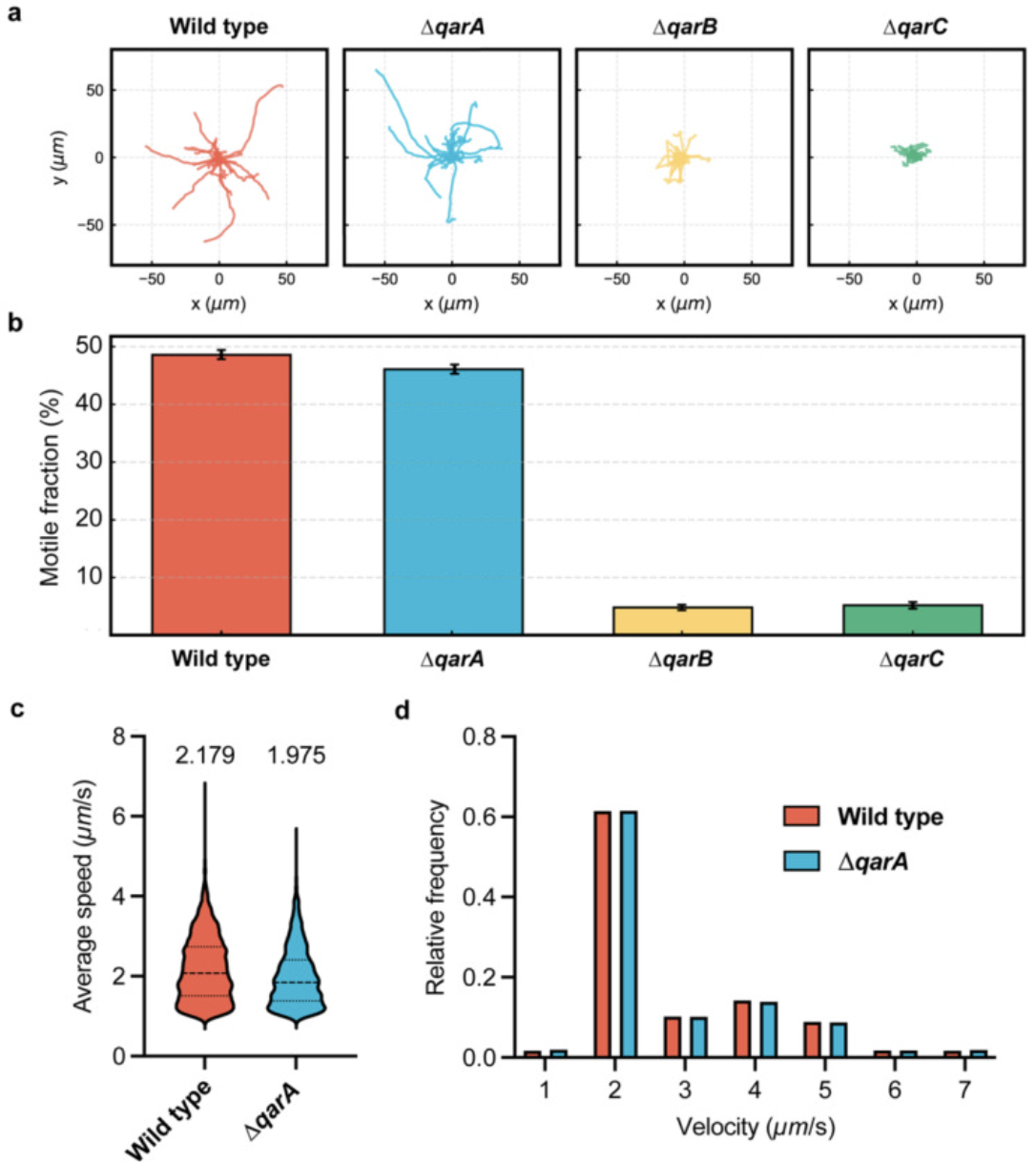 Under Review
bioRxiv:2025.11.10.687552
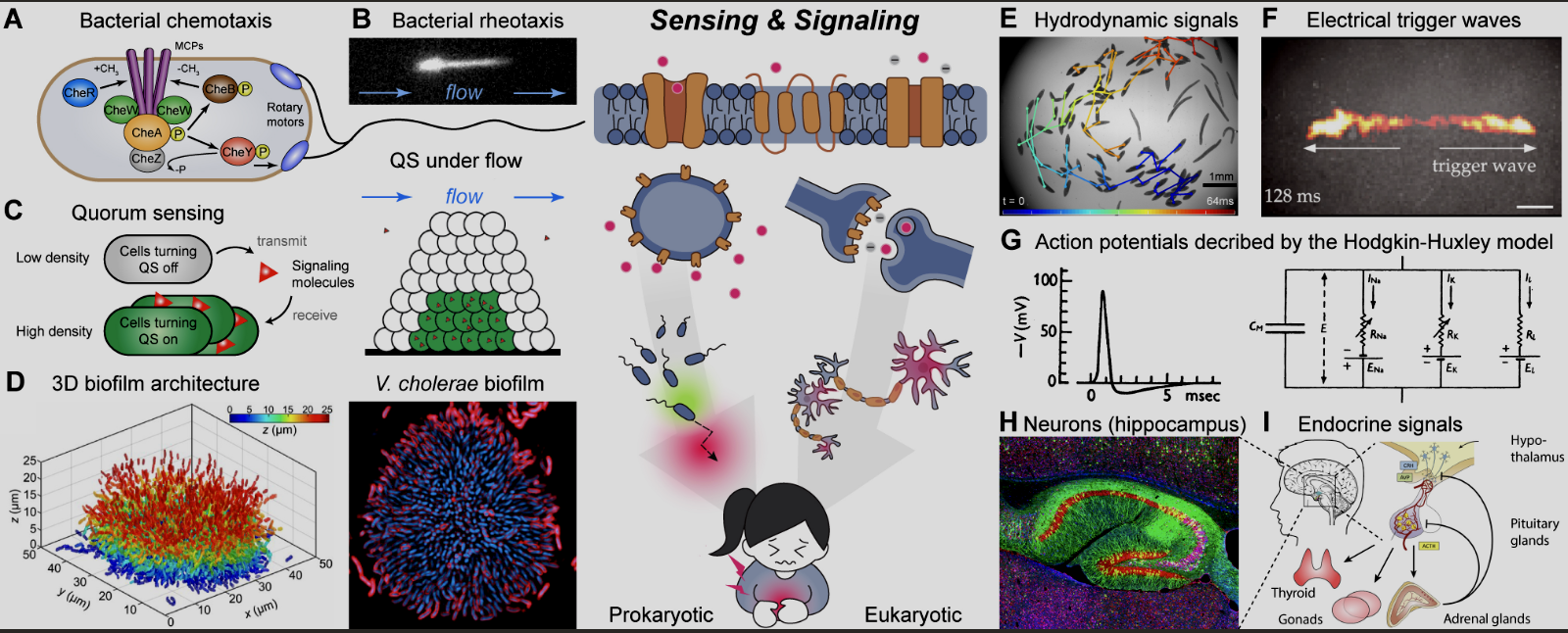 Under Review
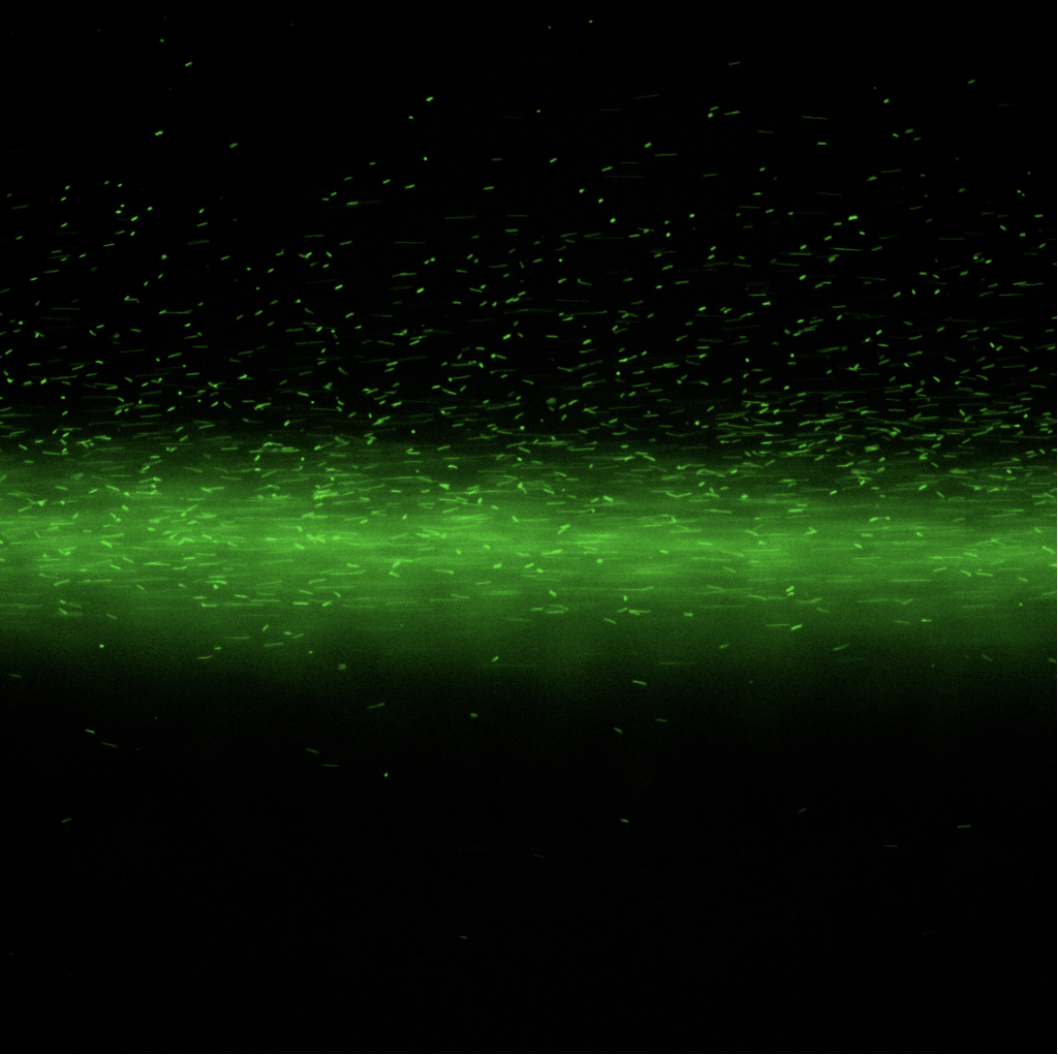 Under Review
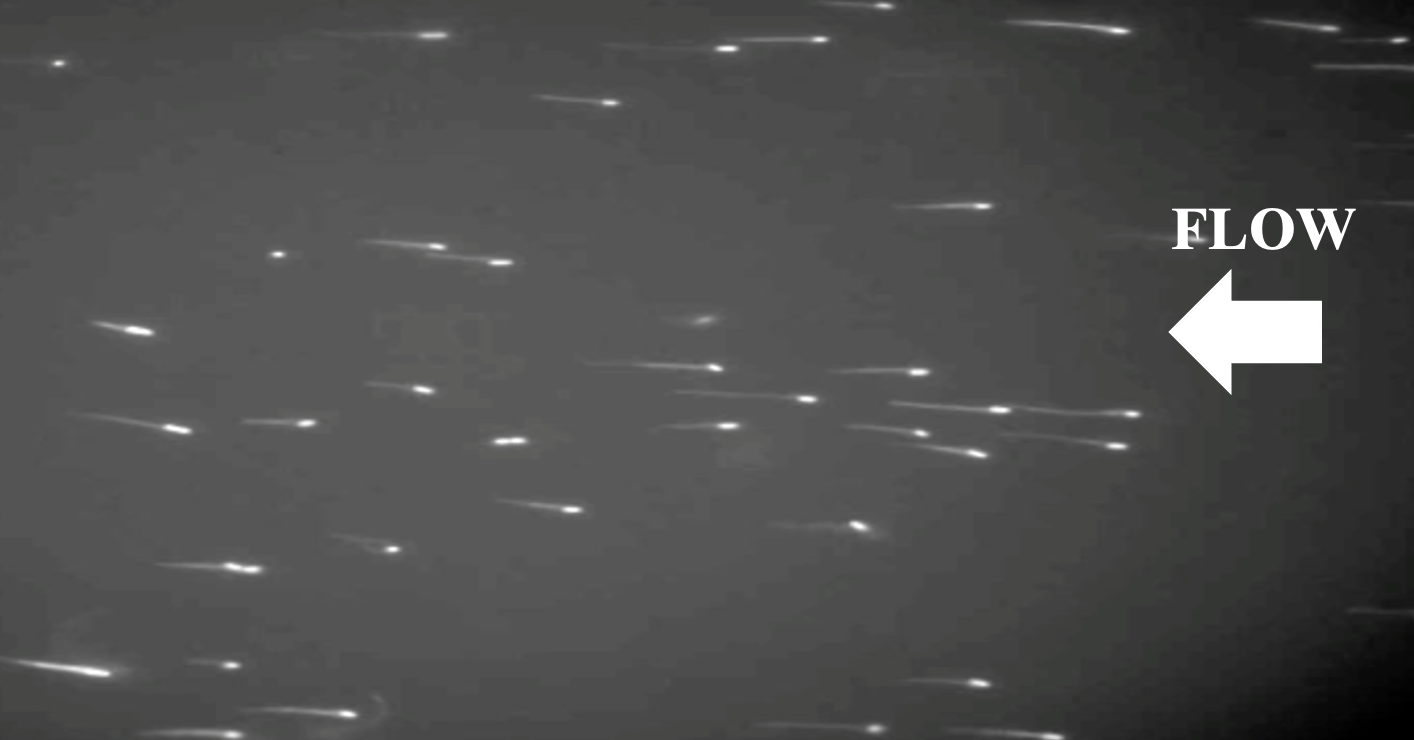 Under Review
arXiv:2408.13694
In PreparationIn PreparationIn PreparationVisual archive
Microscopy, microfluidic devices, simulations, and journal covers from the lab and the field.
Curriculum vitae
Selected education, positions, and honors.
Ph.D., Physics
University of Pennsylvania · in progress
M.A., Statistics & Data Science
Wharton School, UPenn · in progress
B.S., Physics (Highest Honors) & Applied Math
Emory University
Graduate Researcher
Mathijssen Lab · Penn Biophysics
Undergraduate Researcher
Weeks Lab · Emory (soft matter & clogging)
Dissertation Completion Fellowship
University of Pennsylvania · 2026 · $90,000
Dean's Scholar
University of Pennsylvania · 2026 · awarded annually to the school's top 10 graduate students
Elias Burstein Prize
University of Pennsylvania · 2026 · top condensed matter graduate student
DSOFT Future Investigator Award
American Physical Society · 2023
Ella N. Pawling Graduate Fellowship
University of Pennsylvania · 2021–2022 · first-year tuition & stipend ($80k+)
Get in touch
Open to collaborations across biophysics, active matter, microfluidic design, and quantitative microbiology.